Book Club

EDUCATE TO LIBERATE:

THE ADVOCATES’ BOOK CLUB

Book Club

Educate To Liberate

Educate to Liberate is Advocates 4 Justice’s virtual book club, built for people who believe that knowledge is one of the strongest tools we have in the fight for justice. Together, we read and discuss books that challenge the stories we’ve been told, shine a light on systemic injustice, and give voice to those too often unheard. Our conversations are more than talk, they inspire action and strengthen our shared commitment to awareness, equity, and liberation. Whether you’re an avid reader or just beginning your journey, you are welcome here.

Books To Read

This work wrestles with Jewish identity in the wake of Gaza’s destruction, questioning what it means to uphold memory, morality, and solidarity in times of atrocity. The author challenges readers to face uncomfortable truths about complicity and silence. It is both a reckoning and an invitation toward ethical responsibility.

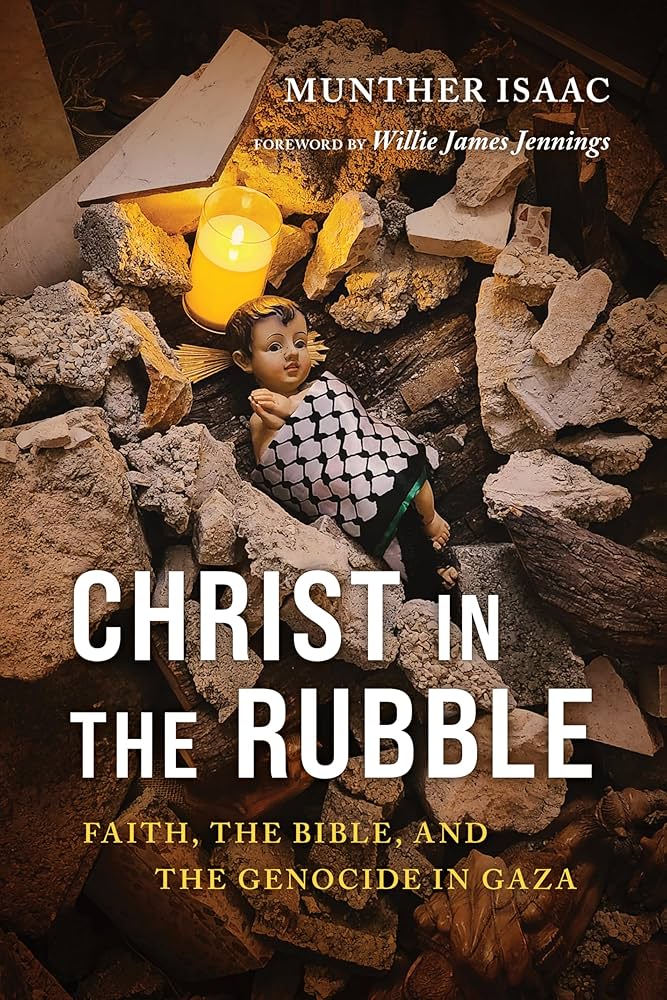
A searing meditation on faith, trauma, and survival, this book looks at the suffering of Palestinians through a theological lens. It confronts the silence of the world as Gaza’s people endure devastation, asking what it means to follow Christ in the midst of rubble. Deeply moving, it fuses spiritual reflection with urgent political witness.

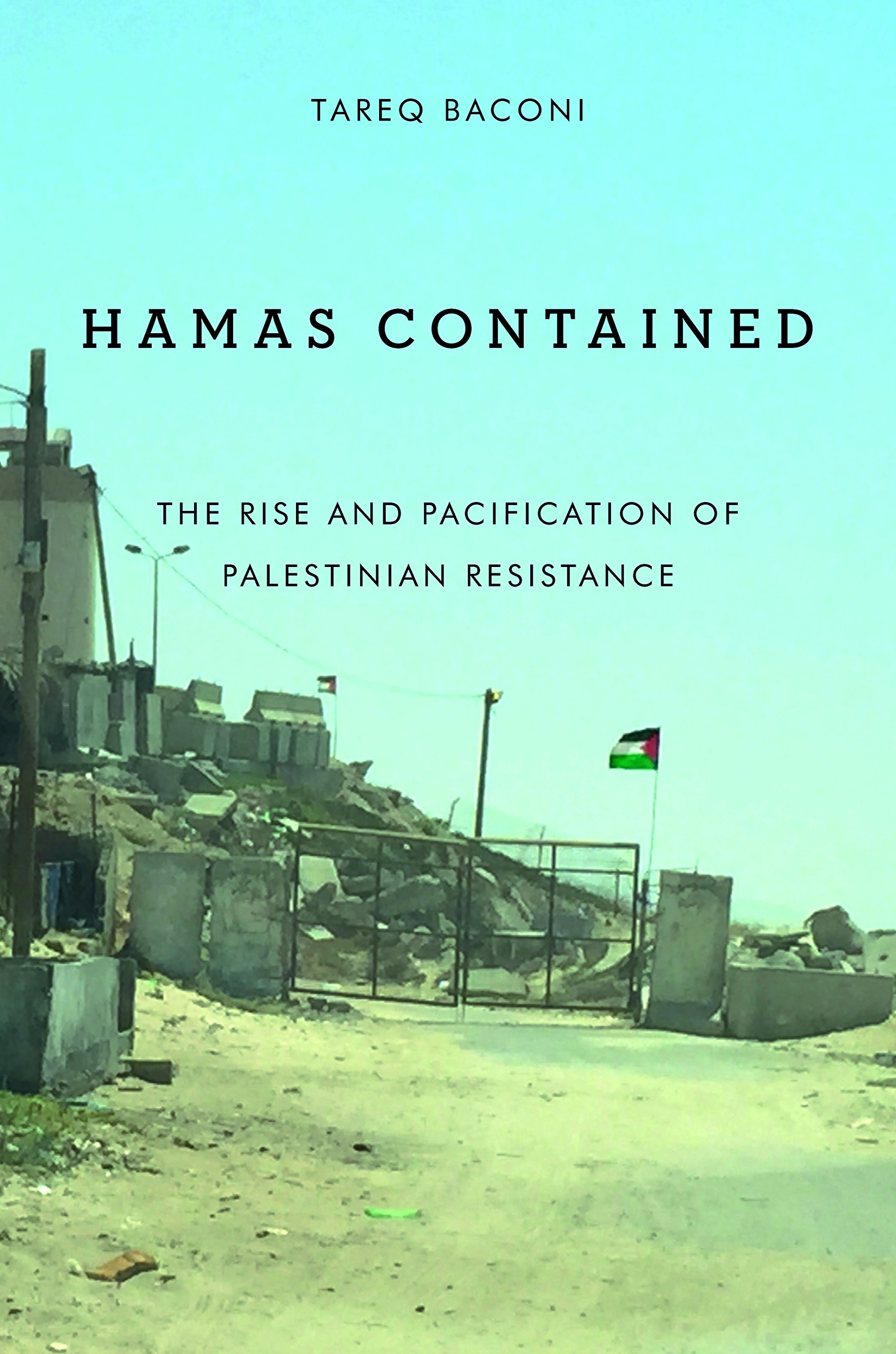
Tareq Baconi traces the rise of Hamas from its early years through decades of Israeli blockade and shifting regional politics. By examining the movement’s strategies, compromises, and contradictions, he reveals how Israel’s policy of “containment” entrenched the humanitarian crisis in Gaza. This is essential reading for anyone seeking to understand both Palestinian resistance and the limits of military power.

With sharp analysis, this book explores how societies rewrite their histories to deny responsibility for injustice. It exposes the mechanisms of denial and hindsight that allow violence to be justified in the present but condemned in the future. The result is a haunting reminder of the urgency of speaking truth now, before history is rewritten.

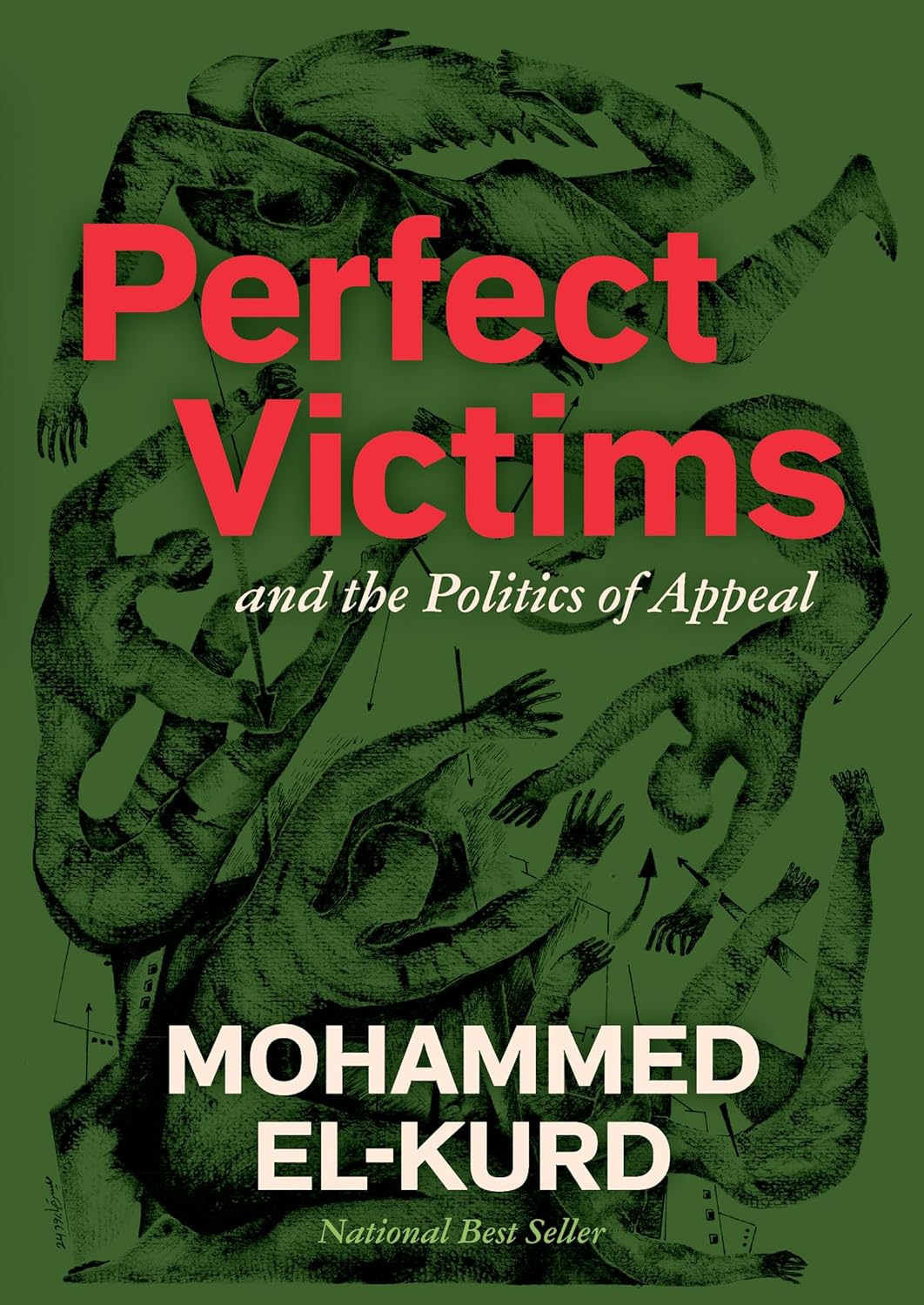
Mohammed El-Kurd examines how narratives of victimhood are weaponized in politics and media, often determining whose suffering is seen as legitimate. He shows how oppressed peoples are pressured to appear “perfect” to be granted empathy. The book demands a radical rethinking of justice, one that refuses conditional humanity.

This guide reimagines how communities should respond to antisemitism—by building alliances rather than isolating struggles. It argues that true safety lies in dismantling systems of oppression that harm all marginalized groups. Readers are challenged to see solidarity as the most powerful defense against hate.

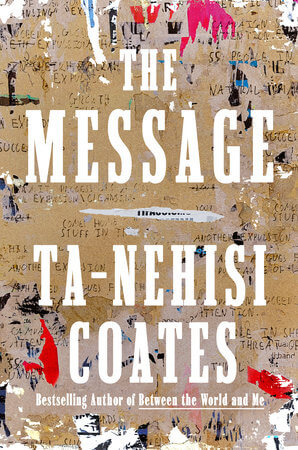
Ta-Nehisi Coates writes a profound letter to his son, weaving personal experience with the long arc of American racism. He lays bare the violence embedded in American life while calling for truth, resilience, and the courage to resist. Poetic and piercing, it is a generational message about survival and hope.

Or You Can Scan The QR Code

Guiding Principles

1.Participation

Commitment

We meet online every 5 weeks to discuss one book. Members are encouraged to complete the reading before each session.

Engagement

Contribute thoughtfully to discussions, sharing both personal reflections and critical analysis.

Openness

We welcome diverse viewpoints grounded in respect and empathy.

Preparedness

Come ready with notes, questions, or key passages you’d like to discuss.

2.Discussion Etiquette

Respect

Listen without interrupting. Disagree with ideas, not people.

Confidentiality

What is shared in the group stays in the group.

Balanced Voices

Step up if you’re quiet, step back if you tend to speak often.

Fact & Context

When possible, connect reflections to real-world history, research, or lived experience.

3.Book Selection

Books are chosen with a focus on nonfiction titles that:

  •  Challenge systemic injustice.
  • Amplify underrepresented perspectives.
  • Inspire action and solidarity.

Suggestions can be submitted at any time and will be voted on by members of the book club.

4.From Reading to Action

Our goal is not only to learn, but to act. After each book, we’ll explore ways to connect its lessons to real advocacy, community work, or policy change.

5.Inclusivity

  • Whether you’re an avid reader or just starting your journey, you belong here.
  • Discussions are accessible, and no academic background is required—only curiosity, empathy, and a commitment to justice.

6.Accountability

  • Members are encouraged to attend regularly, but if you miss a session, you can review the discussion notes or recordings when available.
  • Repeated absence without communication may result in removal from the active list to keep the group dynamic strong.